
Author: Karla K. Mioduchoski, FNP-BC
Medically Reviewed By: Dr. Sergey Terushkin, MD, FACS
Peptide therapy has become one of the most talked-about wellness topics across New York City. From Manhattan professionals and fitness enthusiasts in Brooklyn to patients in Queens, the Bronx, and Staten Island looking for better recovery, sleep, body composition, or healthy aging support, more New Yorkers are asking what peptides are and whether they may fit into a physician-guided treatment plan.
The growing interest is understandable. Across all five boroughs, people are balancing long workdays, stressful commutes, demanding careers, workouts, family responsibilities, and the natural changes that come with aging. Rather than searching for quick fixes, many are looking for evidence-based options that may help them recover, feel their best, and support long-term wellness under medical supervision.
Still, peptide therapy is not something to approach casually. Different peptides are used for different goals, and treatment should always be reviewed by a qualified medical provider.
Peptide therapy is growing in NYC because many patients are interested in physician-guided wellness options for recovery, healthy aging, sleep, energy, body composition, and performance support. Some of the peptides patients commonly ask about include BPC-157, Ipamorelin, Sermorelin, Tesamorelin, and Wolverine Blend.
Each peptide has a different purpose, and not every peptide is appropriate for every patient. A medical provider may review health history, goals, medications, lab work, and safety considerations before recommending a treatment plan.
Patients interested in learning more can review physician-guided peptide therapy in New York.
New York is a city where people move fast. Many patients are trying to stay active, work long hours, manage stress, recover from exercise, and maintain their health as they get older.
That is one reason peptide therapy has entered more conversations. It sits at the intersection of wellness, recovery, preventive care, fitness, and healthy aging.
For some patients, the interest starts after an injury or a slow recovery. For others, it begins with fatigue, poor sleep, changes in body composition, or simply wanting to feel more like themselves again.
Provider Perspective — Dr. Sergey Terushkin, MD, FACS
“One of the biggest misconceptions is that there is one peptide that is right for everyone. In reality, treatment should begin with the patient’s goals, medical history, lifestyle, and whether peptide therapy is appropriate at all.”
This is why physician guidance matters. Peptides are not the same as vitamins or general supplements. They should be discussed in the context of a patient’s overall health.
The peptides patients ask about most often usually depend on their goals. Some are interested in recovery. Others ask about body composition, healthy aging, growth hormone support, or visceral fat.
| Peptide | Why Patients Ask About It | Learn More |
|---|---|---|
| BPC-157 | Recovery, mobility, joint and soft tissue support | BPC-157 |
| Ipamorelin | Healthy aging, sleep, recovery, growth hormone support | Ipamorelin |
| Sermorelin | Growth hormone stimulation, energy, body composition | Sermorelin |
| Tesamorelin | Visceral fat and metabolic health discussions | Tesamorelin |
| Wolverine Blend | Recovery-focused peptide combination therapy | Wolverine Blend |
This does not mean these peptides are right for every person. Popularity should never replace medical judgment. A peptide that makes sense for one patient may not be appropriate for another.
Peptides are short chains of amino acids. Amino acids are often described as the building blocks of proteins, but peptides can also act as signaling molecules in the body.
In simple terms, peptides may help send messages that influence different biological processes. Depending on the peptide, researchers have studied possible roles in recovery, metabolism, growth hormone signaling, inflammation, sleep, skin health, or body composition.
Peptide therapy refers to the supervised use of specific peptides as part of a medical or wellness plan. Some peptides are FDA-approved for specific conditions. Others may be used in clinical settings under medical supervision, depending on availability, regulations, and patient needs.
Clinical Insight — Karla K. Mioduchoski, FNP-BC
“Patients often come in after reading about peptides online. Our job is to slow the conversation down, review the patient’s health history, and explain what is known, what is still being studied, and what may or may not be appropriate.”
If there is one peptide that has gained significant attention over the past few years, it is BPC-157. Many patients first hear about it through fitness communities, orthopedic recovery discussions, or online wellness forums.
People commonly ask providers whether BPC-157 may fit into a recovery plan after strenuous exercise, repetitive overuse injuries, or orthopedic procedures. Although research continues, healthcare providers emphasize that treatment decisions should always be individualized.
Patients interested in learning more can explore our guide to BPC-157 peptide therapy.
Provider Perspective — Dr. Sergey Terushkin, MD, FACS
“Recovery is rarely about a single treatment. We look at sleep, nutrition, activity level, medical history, and overall health before discussing whether peptide therapy may be appropriate.”
Many adults begin looking into peptide therapy not because of an injury, but because they notice gradual changes that often come with age. Recovery takes longer, energy levels are different, sleep is less restorative, and maintaining lean muscle becomes more difficult.
Ipamorelin is frequently discussed because it is designed to stimulate the body’s natural release of growth hormone without directly replacing it. Patients often ask about its potential role in physician-guided healthy aging programs.
Learn more about Ipamorelin therapy in New York.
During consultations, providers typically discuss:

Sermorelin has been discussed in wellness and longevity medicine for years, but recently it has become much more visible as patients search for physician-guided approaches to healthy aging.
Unlike many online discussions that promise dramatic transformations, medical providers usually take a much more measured approach. The goal is to understand whether a patient may benefit from treatment rather than assuming everyone needs the same therapy.
Patients often ask about Sermorelin when they experience changes such as:
More information is available on our Sermorelin peptide therapy page.
Clinical Insight — Karla K. Mioduchoski, FNP-BC
“Many patients simply want to understand their options. Education is an important part of every consultation because peptide therapy should never be viewed as a one-size-fits-all solution.”
Many people think all belly fat is the same, but healthcare providers often explain the difference between subcutaneous fat, which sits beneath the skin, and visceral fat, which surrounds internal organs.
Because of that distinction, Tesamorelin has attracted growing attention among patients researching body composition and metabolic health. During consultations, providers discuss individual health history and treatment goals before determining whether additional evaluation is appropriate.
You can read more about Tesamorelin therapy and how physician-guided treatment plans are developed.
Learn more about: Can Tesamorelin Help Reduce Belly Fat? Understanding Dosage, Treatment Plans & What to Expect
Combination peptide protocols have become increasingly popular in wellness medicine, and one of the names patients frequently encounter is Wolverine Blend.
Many people are introduced to the blend through conversations about exercise recovery, active lifestyles, and performance support. Rather than focusing on a single peptide, combination protocols are designed around physician-selected ingredients that may complement one another depending on the patient’s goals.
Learn more about Wolverine Blend peptide therapy.
As with every peptide discussed in this guide, treatment decisions should be based on an individual medical evaluation rather than social media trends or online testimonials.
One of the most common misconceptions about peptide therapy is that there is a “best” peptide for everyone. In reality, physicians look at the entire patient—not just a symptom or a wellness goal.
Before recommending any treatment, providers typically review medical history, current medications, previous treatments, lifestyle habits, and individual health objectives. In some cases, laboratory testing or additional evaluation may also be recommended.
The purpose of the consultation is not simply to prescribe a peptide, but to determine whether peptide therapy is appropriate and whether it fits safely into a patient’s overall healthcare plan.
Provider Perspective — Dr. Sergey Terushkin, MD, FACS
“Patients often arrive asking for a specific peptide they saw online. Our conversation usually starts somewhere else—understanding their health goals, reviewing their medical history, and deciding whether peptide therapy is even the right approach.”
Interest in peptide therapy has grown rapidly, and with that growth has come an overwhelming amount of information online. Patients can find countless articles, podcasts, videos, and social media posts discussing peptides, but not all of that information is accurate or applies to every individual.
One person’s experience may be completely different from another’s. Factors such as age, medical history, current medications, lifestyle, and underlying health conditions all influence whether peptide therapy is appropriate and how a treatment plan should be developed.
That is why many healthcare providers begin with a comprehensive consultation rather than recommending a specific peptide immediately. The goal is to understand the whole patient—not simply match someone with the latest wellness trend.

Clinical Perspective — Karla K. Mioduchoski, FNP-BC
“One of the most valuable parts of the consultation is education. Patients often arrive with questions they’ve gathered from social media or online forums. We take time to explain what current research shows, what remains under investigation, and how those findings relate to their personal health goals.”
Physician-guided care also allows treatment to be monitored over time. Follow-up visits provide an opportunity to evaluate progress, discuss any concerns, adjust the treatment plan when appropriate, and ensure that patients continue moving toward their wellness goals safely.
For many New Yorkers, having access to experienced medical professionals offers reassurance that decisions are based on evidence, clinical judgment, and individual health needs—not online trends or marketing claims.
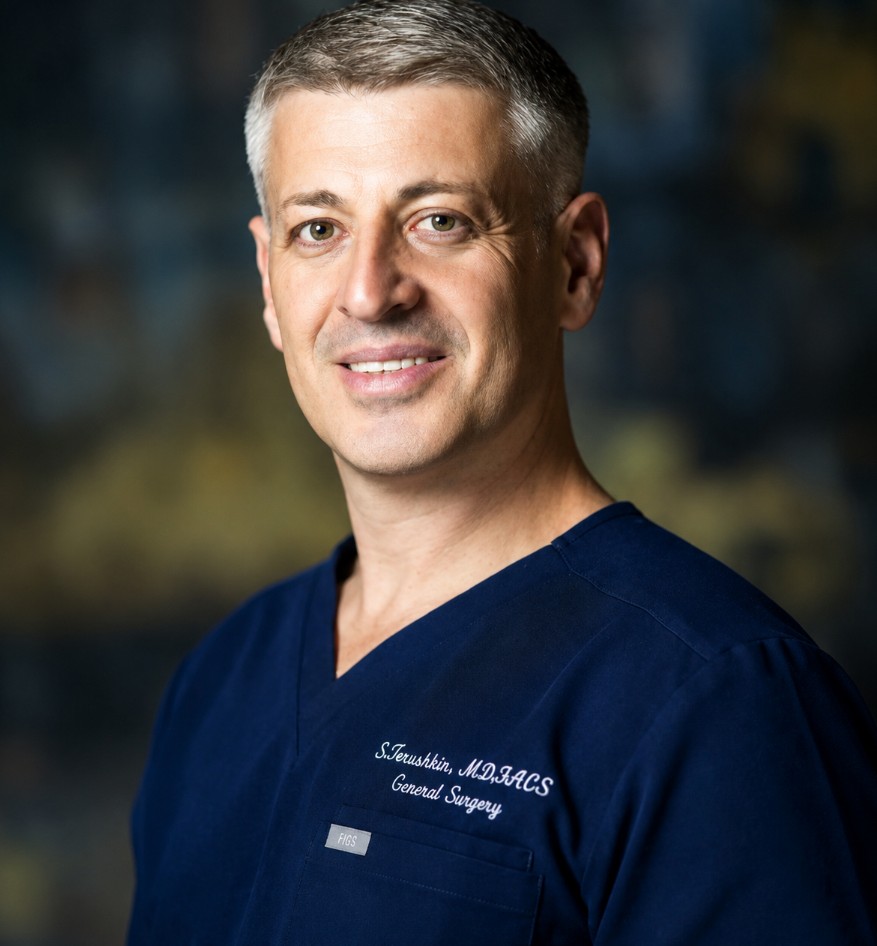
At GoalBMI – General & Bariatric Surgery in Brooklyn, NY, we provide comprehensive bariatric surgery, minimally invasive general surgery, and physician-supervised medical weight loss with personalized treatment plans designed around each patient's health goals and long-term success.
Our experienced surgical team includes Dr. Sergey Terushkin, MD, FACS and Dr. Alexander Abdurakhmanov, MD , who work together to deliver advanced bariatric surgery, minimally invasive general surgery, panniculectomy after significant weight loss, hernia repair, gallbladder surgery, and comprehensive obesity care.
Every treatment plan is individualized using evidence-based medicine, modern surgical techniques, and compassionate patient care. From your first consultation through recovery and long-term follow-up, our team is committed to helping you achieve safer surgery, faster recovery, and lasting results.