Author: Dr. Sergey Terushkin, MD, FACS
Key Takeaways: Why Brooklyn Chooses Goal BMI
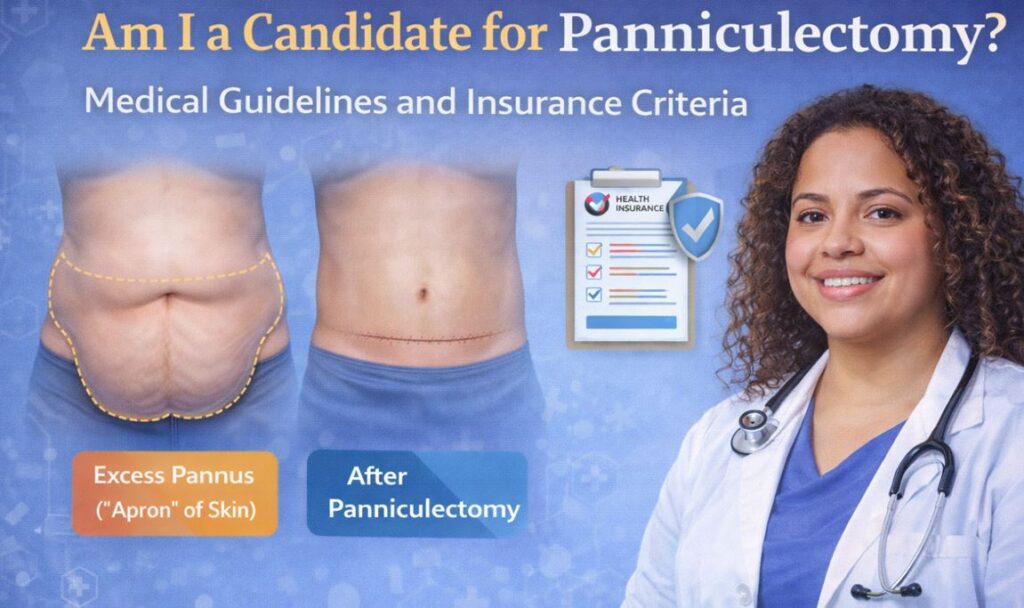
Losing a significant amount of weight is a monumental achievement, but for many, it leaves behind a “panniculus”—a heavy apron of hanging skin and fat in the lower abdomen. Beyond the aesthetic frustration, excess skin can lead to chronic pain, infections, and mobility issues.
At Goal BMI in Brooklyn, NY, Dr. Sergey Terushkin, MD, FACS, helps patients determine if they meet the strict medical criteria for a panniculectomy. Unlike a cosmetic “tummy tuck,” a panniculectomy is often considered a medical necessity. This guide will help you understand if you are a candidate for this life-changing procedure.
A panniculectomy is a functional surgical procedure designed to remove the “apron” of excess skin (the pannus) that hangs below the pubic area. It is essential to distinguish this from an abdominoplasty (tummy tuck). While both remove excess skin, a panniculectomy focuses on resolving medical issues. It typically does not involve tightening the abdominal muscles or repositioning the belly button, unless combined with other procedures.

To be considered a candidate for a panniculectomy, especially if you are seeking insurance coverage, you must generally meet the following “Medical Necessity” benchmarks:
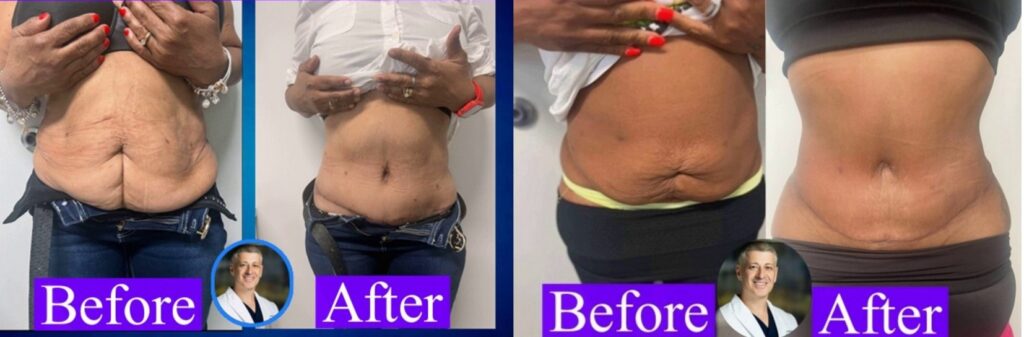
Insurers use a grading scale to determine severity. Generally, the skin must hang low enough to cover the genital area or reach the upper thighs (Grade 2+). Dr. Terushkin will perform a physical exam and take the specific photographs required by insurance to document this.
The most common qualification is the presence of persistent skin issues in the folds of the pannus. This includes:
The weight and position of the skin must interfere with your “Activities of Daily Living” (ADLs). This includes difficulty walking (ambulation), back pain caused by the weight of the apron, or inability to maintain proper hygiene.
You must be at a stable weight. If you have had bariatric surgery (like a Gastric Sleeve), most insurance companies require you to be at least 12 to 18 months post-op and have maintained a stable weight for at least the last 6 months. This ensures the best surgical outcome and reduces the risk of complications.
As with any major surgery, candidates should be in good overall health. Smoking significantly impairs blood flow and wound healing, which is critical in a panniculectomy. Dr. Terushkin requires patients to be smoke-free to ensure a safe recovery.
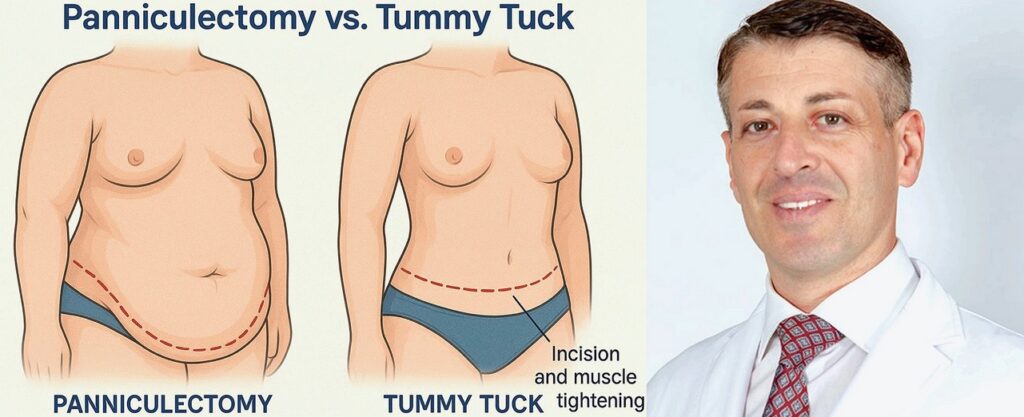
| Feature | Panniculectomy | Tummy Tuck (Abdominoplasty) |
| Primary Goal | Functional/Medical Relief | Aesthetic/Contouring |
| Muscle Tightening | No | Yes |
| Belly Button Move | Usually No | Yes |
| Insurance Coverage | Often Covered (if medical) | Almost Never Covered |
| Best For | Chronic Rashes & Mobility | Flat Stomach & Tight Waist |
Recovery from a panniculectomy is a journey. Most patients spend 1–2 weeks resting before returning to light office work. Full recovery can take 6–8 weeks. Dr. Terushkin uses advanced techniques to minimize scarring and provides comprehensive post-operative care to ensure your new silhouette is healthy and comfortable.
Yes, many plans (including MetroPlus, BlueCross, and Cigna) cover it if we provide proof of medical necessity, such as documented rashes and functional impairment.
Yes. This is often called a “combination” procedure. Insurance may pay for the functional panniculectomy portion, while the patient pays for the cosmetic “tummy tuck” (muscle tightening) portion.
While requirements vary, most surgeons prefer a BMI below 30–35 to reduce the risk of wound complications and ensure the best aesthetic result.
Yes, there is a horizontal scar across the lower abdomen. However, Dr. Terushkin places the incision as low as possible so most undergarments can hide it.
Insurers often look for a loss of at least 100 pounds or a 40% reduction in excess body weight following bariatric surgery.
While not always required by our office, your insurance might require a referral from your Primary Care Physician (PCP). We can help you navigate these requirements.
Most panniculectomies are outpatient or require a one-night stay, depending on the volume of tissue removed.
If you’re considering panniculectomy or excess skin removal after major weight loss, our team is here to guide you. Schedule your consultation with Dr. Sergey Terushkin and learn more about insurance coverage, surgical options, and personalized treatment plans.
📞 Call (347) 830-3003 to speak directly with a Patient Coordinator
📍 Goal BMI Clinic – 480 Court St, Brooklyn, NY 11231
Prefer online contact? Fill out the form, and we’ll reach out at your convenience.
Medical Disclaimer
The information provided in this blog is for educational purposes only and is not intended as medical advice, diagnosis, or treatment. Always seek the advice of your physician or another qualified health provider with any questions you may have regarding a medical condition. Skin removal surgery carries risks that should be discussed thoroughly with a board-certified surgeon.
Dr. Sergey Terushkin is a board-certified general and bariatric surgeon and a Fellow of the American College of Surgeons. Trained at the Cleveland Clinic, he specializes in minimally invasive and reconstructive procedures. He is widely recognized in Brooklyn for his expertise in “closing the loop” on weight loss through specialized skin removal surgery.
Our Philosophy Is Providing Surgical Excellence By Combining Cutting Edge Technology And Individualized Patient Care. A Few Of The Most Commonly Performed Procedures Include Laparoscopic Gastric Banding, Laparoscopic Sleeve Gastrectomy, Laparoscopic Gallbladder Surgery, And Laparoscopic Hernia Repair.